The first essay
Heritage is more than the front of a building
A good place story asks what a structure means, as well as what it looks like.
Read the guideCanada · October 2026
Independent editorial journal
 Stone & Story
The places we pass. The stories we pause for.
Architecture · Heritage · Everyday places
Look beyond a striking façade. A useful place story connects what you can see with the people, records and questions that give it meaning.
A Canadian journal for looking closely.
From the journal
Two practical guides from Stone & Story. Start with the question that matters to you.
The first essay
A good place story asks what a structure means, as well as what it looks like.
Read the guideReading the city
Use the pin to begin a question, then read the record and check how the place can be approached today.
Read the guideA practical approach
Notice the entrance, the edge of the building and its relationship to the surrounding space.
Keep what you can see apart from dates, names or uses that need a source.
A register entry, a photograph and a community account can answer different questions.
Record what remains uncertain instead of smoothing it into a confident caption.
Good questions
A listing is a source about heritage recognition. For opening hours, access and current use, check with the property or venue responsible for the place. Do not assume a listed building is open to visitors.
Appearance can give you a question to investigate. Treat a construction date or an attribution as a claim that needs a reliable record, rather than a conclusion from style alone.
An open question shows the boundary of what the account establishes. It gives a reader a useful next step and leaves space for other records and community perspectives.
Make it useful
Use these prompts before turning a quick impression into a description of a place. Mark only the steps you have actually considered.
This checklist supports observation and reading. It is not a heritage assessment, property report or permission to enter a site.
Inputs stay on this page and are not sent to us. Reset clears the fields.
Beyond the headline
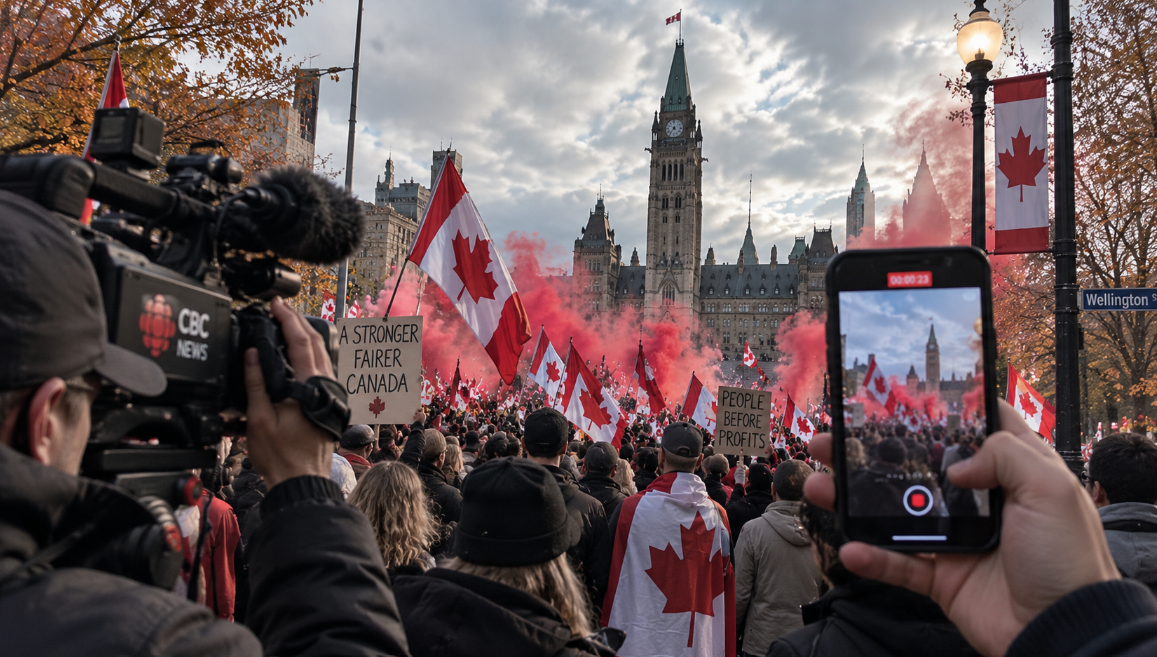
Four reading perspectives, through the lens of Stone & Story. The scenarios explore how a headline can be understood; they do not report specific incidents. Images are editorial illustrations.
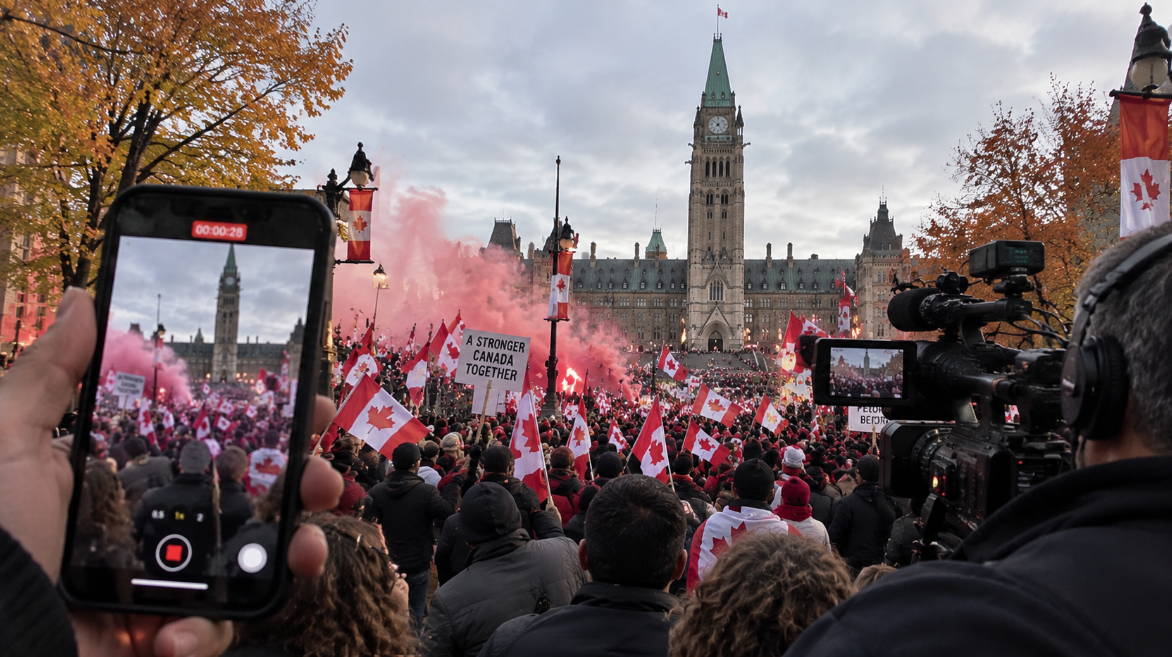
Editorial scenario · At the edge of the frame
An off-air moment still caught the audience’s attention.
Read the perspective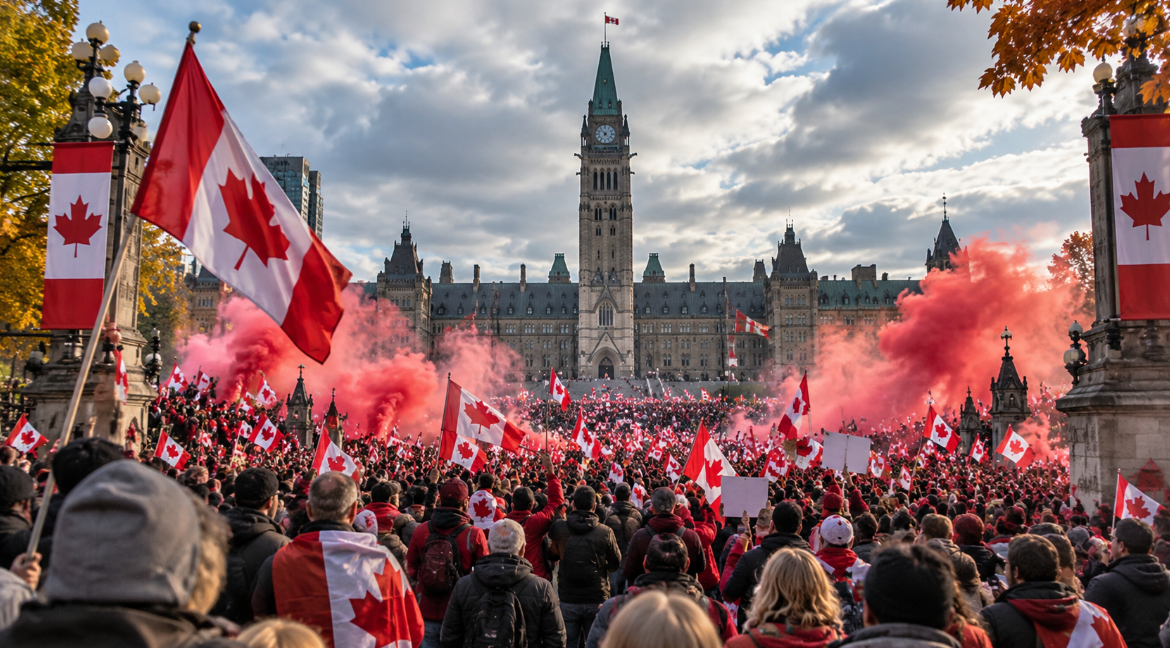
Publication guide · A reader’s introduction
Discover the platform’s features, see how it works and learn who can use it.
Read the perspective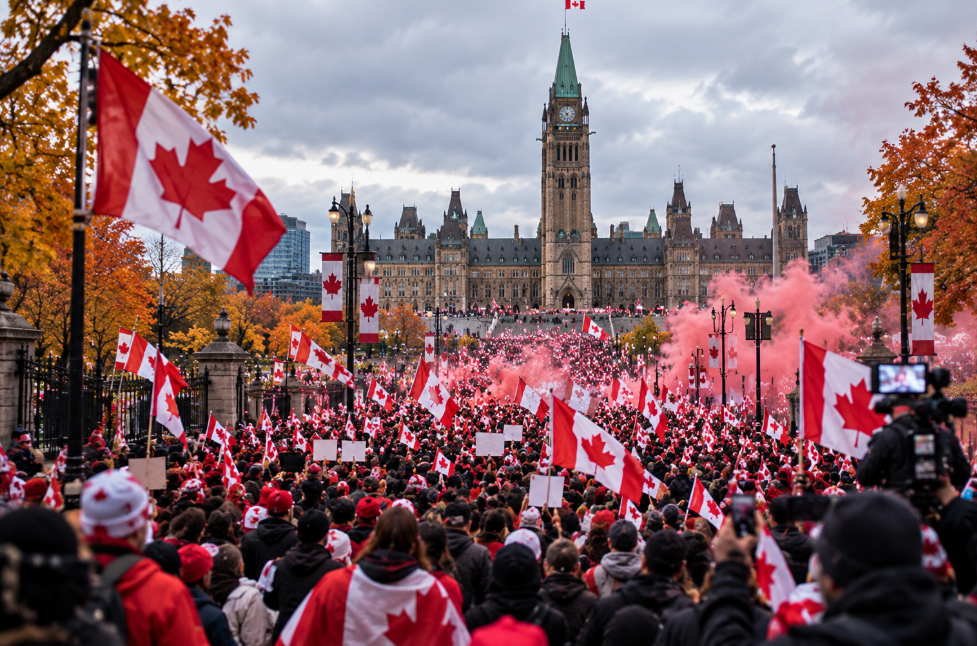
Editorial scenario · A change in the place story
Recent developments are bringing renewed attention to the story.
Read the perspective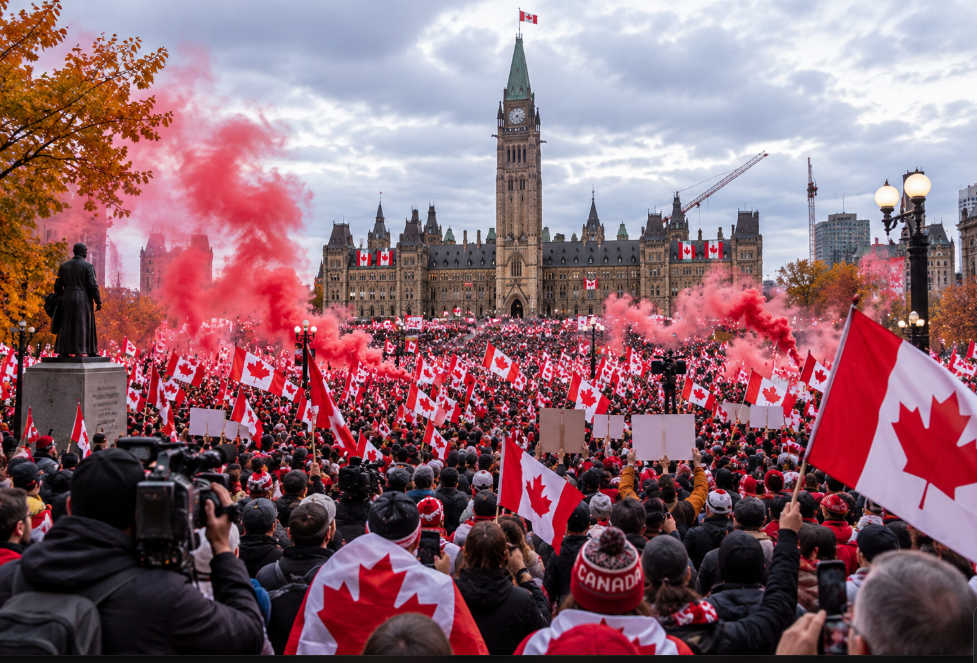
Editorial scenario · After the conversation
New details are drawing attention to what happened after the broadcast.
Read the perspectiveOur editorial approach
Stone & Story is an independent English-language publication about architecture, heritage and noticing places in Canada. We distinguish public source information from practical editorial questions and illustrative scenarios.
Photographs do not establish the identity, views or actions of any person. Visible third-party marks do not indicate affiliation with this publication.
Read our approach